The Impact of Plastic Pollution on Ecosystems and Communities
- 12 hours ago
- 2 min read
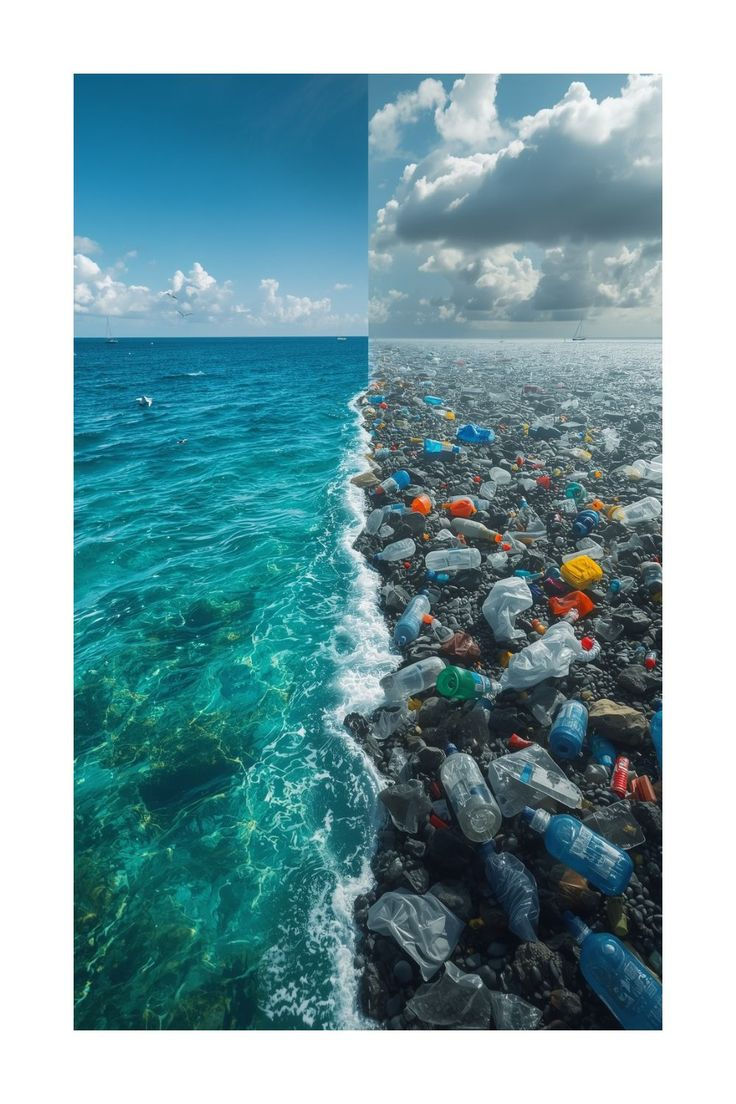
Plastic has become an essential part of modern life due to its convenience, durability, and affordability. From packaging and household products to medical equipment and technology, plastic is everywhere. However, the widespread use of single-use plastics and inadequate waste management systems have created a growing environmental crisis. Plastic pollution now affects ecosystems across the globe and poses significant challenges for communities that depend on healthy natural environments.
One of the most visible consequences of plastic pollution is its impact on wildlife and ecosystems. Millions of tons of plastic waste enter oceans, rivers, forests, and other natural habitats every year. Animals often mistake plastic debris for food, leading to injury, starvation, or death. Marine species such as turtles, seabirds, and fish are particularly vulnerable. Additionally, plastic waste can damage habitats by disrupting natural processes and reducing biodiversity, making it harder for ecosystems to remain balanced and resilient.
Plastic pollution also affects human communities in numerous ways. When plastic waste accumulates in urban areas, it can block drainage systems and contribute to flooding during heavy rainfall. Polluted beaches and natural landscapes may discourage tourism, affecting local economies and livelihoods. Furthermore, communities located near poorly managed waste disposal sites often face environmental and health concerns due to pollution and contamination of nearby land and water resources.
Another growing concern is the presence of microplastics—tiny plastic particles that result from the breakdown of larger plastic items. These particles have been found in oceans, freshwater systems, soil, food products, and even drinking water. Because microplastics can enter the food chain, researchers continue to investigate their long-term effects on human health and ecosystems. Their widespread presence highlights the urgent need for more sustainable production and consumption practices.
Addressing plastic pollution requires collective action from individuals, organizations, businesses, and governments. Reducing single-use plastic consumption, improving recycling systems, supporting sustainable product design, and participating in environmental awareness campaigns can all contribute to positive change. Educational initiatives and youth-led environmental projects also play a crucial role in encouraging responsible behavior and promoting innovative solutions to waste management challenges.
Plastic pollution is a global issue with local consequences. Its effects on ecosystems and communities demonstrate the interconnected relationship between environmental health and human well-being. By adopting more sustainable habits and supporting efforts to reduce plastic waste, we can help protect biodiversity, strengthen communities, and create a cleaner, healthier future for generations to come.


