How Daily Choices Affect the Environment
- May 13
- 2 min read

Every day, people make countless decisions without realizing how much these choices can impact the environment. From the food we eat to the transportation we use, our daily habits influence natural resources, pollution levels, and the health of ecosystems around the world. While large-scale environmental policies and global initiatives are important, individual actions also play a meaningful role in creating a more sustainable future.
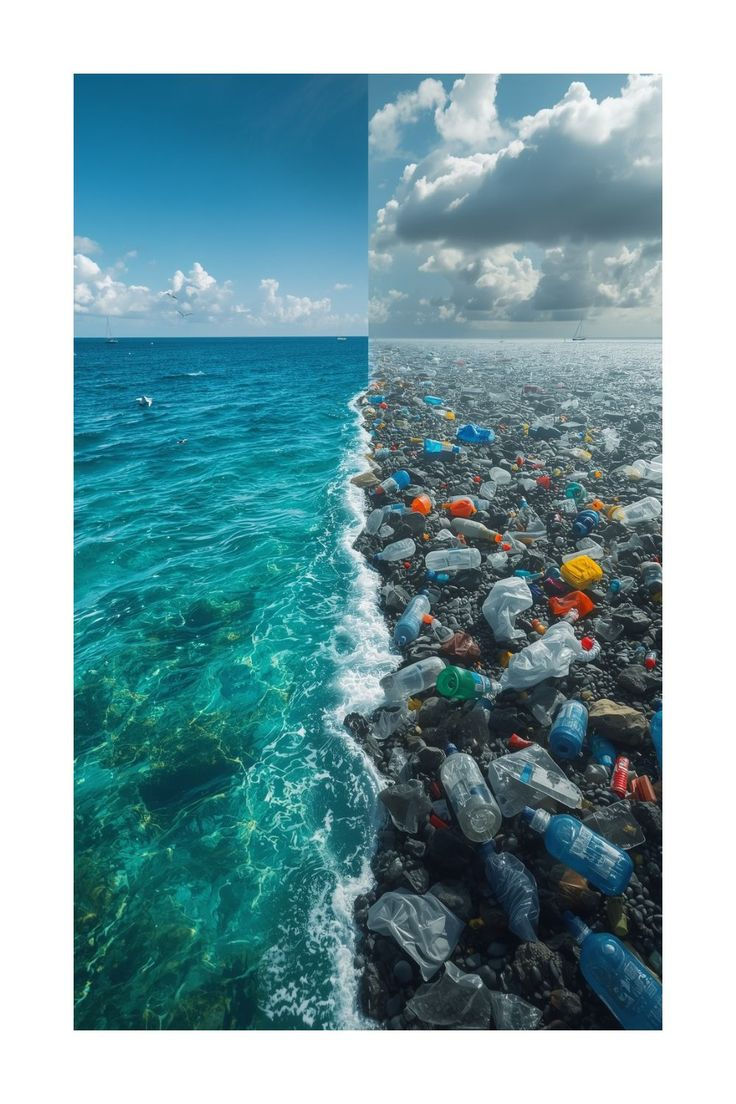
One of the most significant ways daily choices affect the environment is through consumption. The products people buy often require energy, water, and raw materials to produce and transport. Choosing reusable items instead of single-use plastics, supporting local products, and reducing unnecessary consumption can help minimize waste and lower environmental impact. Small changes in shopping habits can collectively make a major difference when adopted by communities worldwide.
Energy use is another important factor. Leaving lights on, wasting water, or relying heavily on non-renewable energy sources contributes to environmental degradation and climate change. Simple actions such as turning off unused electronics, conserving water, and using energy-efficient appliances can help reduce carbon emissions and preserve valuable resources.
Transportation choices also influence the environment. Cars and other fuel-powered vehicles release greenhouse gases that contribute to air pollution and global warming. Walking, cycling, carpooling, or using public transportation whenever possible can significantly reduce emissions and support cleaner, healthier communities.
Food choices are equally important. Food production requires large amounts of water, energy, and land. Reducing food waste, choosing seasonal products, and supporting sustainable agriculture can lessen environmental pressure. Even small efforts, such as planning meals carefully or avoiding excessive packaging, contribute to more responsible consumption patterns.
Daily habits also shape environmental awareness within society. When individuals adopt sustainable practices, they inspire others to do the same. Families, schools, and communities can create positive change by promoting eco-friendly behaviors and encouraging conversations about environmental responsibility. Young people, in particular, play an important role in spreading awareness and motivating communities to take action for a greener future.
Importantly, protecting the environment does not always require dramatic lifestyle changes. Sustainability is often built through consistent, everyday actions. Reusing materials, recycling properly, conserving resources, and making thoughtful purchasing decisions are practical ways individuals can contribute to environmental protection.
The environment is connected to every aspect of human life, including health, economy, and future development. The choices made today will influence the quality of life for future generations. By becoming more aware of our habits and making responsible decisions, we can collectively help protect the planet and create a more sustainable and environmentally conscious world.
Every action matters. Even the smallest daily choices can become powerful steps toward a healthier planet when people work together with shared responsibility and commitment.