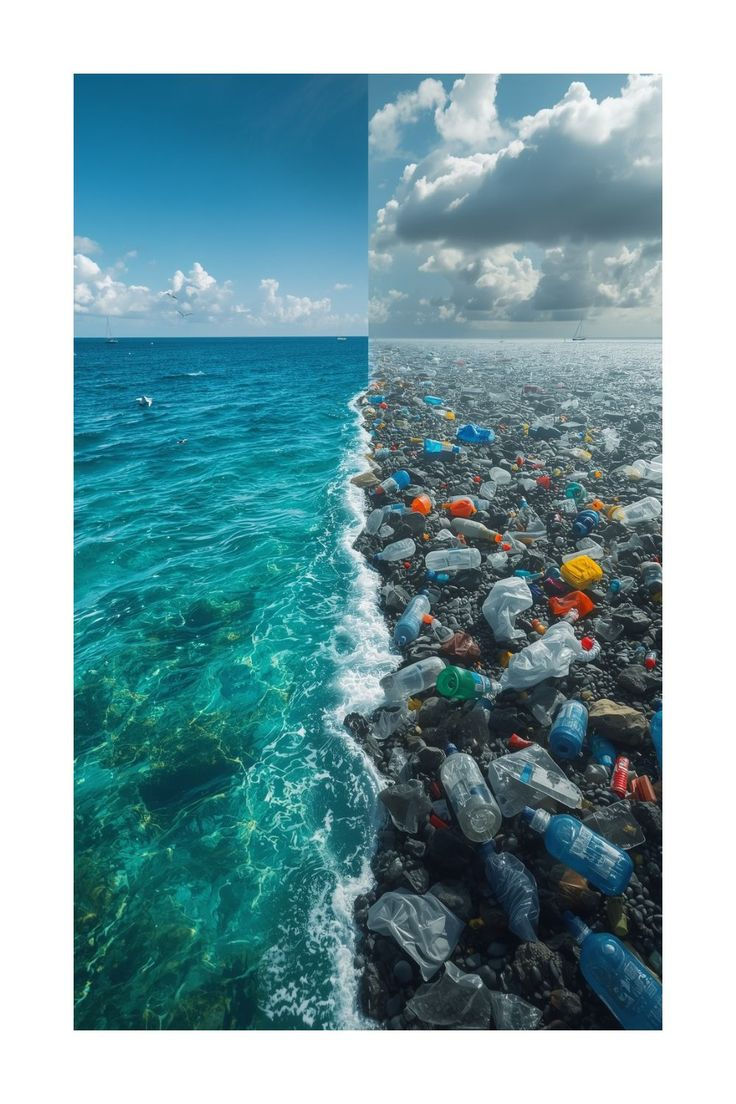
How 2026 Environmental Actions Are Creating a Positive Global Impact
- May 5
- 2 min read

In 2026, environmental action has continued to evolve from isolated initiatives into coordinated global efforts involving governments, organizations, and young people. Unlike previous years, sustainability is no longer treated as a separate agenda but as an integrated priority across education, policy, and community development. This shift has helped accelerate awareness and practical solutions to environmental challenges.
One of the most significant developments in 2026 has been the expansion of youth-led environmental programs. Young people are no longer just participants; they are decision-makers and project leaders. Through local initiatives and international collaborations, including programs supported by Erasmus+, youth groups have implemented practical projects focused on recycling, biodiversity protection, and climate education.
Digital transformation has also played an important role in increasing environmental impact. In 2026, digital tools and platforms have made it easier to measure carbon footprints, organize awareness campaigns, and coordinate cross-border environmental actions. This accessibility has allowed small organizations and communities to contribute to global sustainability efforts more effectively than ever before.
Another positive change is the growing focus on circular economy practices. Many communities have started shifting from linear consumption models to systems that prioritize reuse, repair, and recycling. This has led to measurable reductions in waste production and increased public awareness about sustainable consumption habits at both individual and institutional levels.
Education has remained a central driver of environmental progress. Schools, universities, and NGOs have increasingly integrated sustainability into their curricula and training programs. This has helped create a generation that is more conscious of environmental issues and more equipped to take action. As a result, environmental responsibility is becoming a shared social value rather than a niche concern.
Community-based environmental projects have also shown significant success in 2026. Local clean-up campaigns, tree-planting initiatives, and biodiversity protection efforts have strengthened social cohesion while improving local ecosystems. These initiatives demonstrate that collective action, even at a small scale, can produce visible and lasting environmental benefits.
Overall, 2026 has shown that environmental progress depends on collaboration, education, and sustained action. While challenges remain, the positive impact of recent initiatives highlights a clear direction: a more sustainable future is possible when individuals, organizations, and institutions work together with a shared commitment to the planet.